Showing posts with label colleges. Show all posts

Tuesday, July 12, 2022

Review Of What Colleges Offer Human Resources Degrees References

Most Affordable Online Human Resources Degrees 2021
Most Affordable Online Human Resources Degrees 2021 from www.eduref.net

Are you considering a career in human resources? Wondering what colleges offer human resources degrees? Look no further! In this article, we'll explore the options available to you and provide valuable information to help you make an informed decision.

When it comes to choosing a college for a human resources degree, there are several factors to consider. One of the main pain points is finding a program that offers the right combination of coursework and hands-on experience. Another pain point is the cost of tuition and the availability of financial aid options.

Fortunately, there are many colleges and universities that offer human resources degrees. These programs are designed to provide students with the knowledge and skills needed to excel in the field of HR. Whether you're interested in a bachelor's, master's, or doctoral degree, there is a program out there that can meet your needs.

Personal Experience and In-Depth Explanation

During my own search for colleges that offer human resources degrees, I came across several options that stood out to me. One of the top choices was XYZ University, which offers a comprehensive HR program with a focus on practical skills. The coursework includes classes on employee relations, recruitment and selection, compensation and benefits, and organizational development. Additionally, the program offers opportunities for internships and co-op experiences, allowing students to gain real-world experience in the field.

In addition to XYZ University, there are many other colleges and universities that offer human resources degrees. Some notable options include ABC College, DEF University, and GHI Institute. Each of these institutions has its own unique offerings and strengths, so it's important to research and compare programs to find the best fit for you.

What Is a Human Resources Degree?

A human resources degree is an academic program that prepares students for careers in human resources management. The curriculum typically includes courses in areas such as labor relations, employment law, organizational behavior, and strategic management. Students may also have the opportunity to specialize in areas such as recruitment and selection, training and development, or compensation and benefits.

Human resources degrees can be earned at various levels, including associate's, bachelor's, master's, and doctoral degrees. The level of degree you pursue will depend on your career goals and the level of expertise you wish to achieve.

History and Myth of Human Resources Degrees

The field of human resources has evolved significantly over the years. In the past, HR was primarily focused on administrative tasks such as payroll and benefits administration. However, as organizations recognized the strategic importance of effective HR management, the field expanded to include a broader range of responsibilities.

Despite the myth that human resources degrees are only useful for entry-level positions, the reality is that HR professionals play a crucial role in shaping organizational culture, managing employee relations, and driving strategic initiatives. A degree in human resources provides a solid foundation of knowledge and skills that can open doors to a variety of career opportunities.

The Hidden Secret of Human Resources Degrees

One of the hidden secrets of human resources degrees is the potential for career growth and advancement. While entry-level HR positions may require a bachelor's degree, many higher-level positions and leadership roles prefer or require a master's degree or higher. By earning an advanced degree in HR, you can position yourself for higher-paying and more challenging roles within the field.

Additionally, human resources degrees provide a versatile skill set that can be applied to a wide range of industries and organizations. HR professionals are in demand in fields such as healthcare, education, government, and finance. This versatility allows HR professionals to explore a variety of career paths and make a meaningful impact in their chosen industry.

Recommendations for Human Resources Degrees

If you're considering pursuing a human resources degree, here are some recommendations to help you make the most of your educational journey:

  1. Research and compare programs: Take the time to explore different colleges and universities that offer HR degrees. Look for programs that align with your career goals and offer the coursework and hands-on experience you desire.
  2. Network and seek mentorship: Building relationships with professionals in the HR field can provide valuable insights and guidance. Attend industry events, join professional organizations, and seek out mentors who can offer support and advice.
  3. Gain practical experience: In addition to your coursework, seek out opportunities for internships, co-op experiences, or part-time jobs in the HR field. This hands-on experience will enhance your skills and make you a more competitive candidate in the job market.
  4. Stay up to date with industry trends: The field of HR is constantly evolving, so it's important to stay informed about the latest trends and best practices. Subscribe to industry publications, attend webinars and workshops, and participate in professional development opportunities.

Exploring Human Resources Degrees in More Detail

Human resources degrees cover a wide range of topics, including labor relations, employment law, compensation and benefits, training and development, and strategic management. These programs provide students with the knowledge and skills needed to effectively manage human capital within organizations.

Students who pursue a human resources degree can expect to learn about topics such as:

  • Recruitment and selection strategies
  • Employee relations and conflict resolution
  • Compensation and benefits administration
  • Training and development programs
  • Performance management and evaluation

By gaining expertise in these areas, HR professionals can contribute to the success of their organizations by attracting and retaining top talent, fostering a positive work environment, and aligning HR strategies with organizational goals.

Tips for Human Resources Degrees

Here are some tips to help you make the most of your human resources degree:

  1. Take advantage of networking opportunities: Building a strong professional network can open doors to job opportunities and provide valuable support and advice throughout your career.
  2. Seek out internships and co-op experiences: Practical experience is highly valued in the HR field. Look for opportunities to gain hands-on experience through internships or co-op programs.
  3. Stay current with industry trends: The field of HR is constantly evolving. Stay informed about the latest trends, technologies, and best practices to remain competitive in the job market.
  4. Consider pursuing certifications: Certifications such as the Professional in Human Resources (PHR) or the Society for Human Resource Management Certified Professional (SHRM-CP) can enhance your credentials and demonstrate your expertise to employers.

Conclusion of Human Resources Degrees

In conclusion, there are many colleges and universities that offer human resources degrees at various levels. These programs provide students with the knowledge and skills needed to excel in the field of HR. By choosing the right program, gaining practical experience, and staying current with industry trends, you can position yourself for a successful and fulfilling career in human resources.

Sunday, July 10, 2022

Famous Why Are Colleges Banning Tiktok 2023

Why Are US Government Groups Banning TikTok? Screen Rant
Why Are US Government Groups Banning TikTok? Screen Rant from screenrant.com

In recent years, colleges across the country have taken a strong stance against the popular social media platform TikTok. This app, known for its short-form videos and viral challenges, has gained immense popularity among young adults. However, many colleges have started banning TikTok on campus due to concerns over privacy, security, and academic distractions. So why are colleges banning TikTok?

One of the main pain points related to TikTok is the potential privacy and security risks associated with the app. TikTok has faced scrutiny from lawmakers and regulators for its data collection practices, including allegations of sharing user data with the Chinese government. Colleges, as institutions responsible for safeguarding student information, are understandably concerned about the potential risks of allowing TikTok on campus networks.

The target of why colleges are banning TikTok is to protect the privacy and security of their students and staff. By banning the app, colleges hope to mitigate the potential risks associated with TikTok and ensure that their campus networks remain secure. Additionally, colleges aim to minimize distractions and promote a focused academic environment by limiting access to social media platforms like TikTok.

Conclusion:

In conclusion, colleges are banning TikTok due to concerns over privacy, security, and academic distractions. The potential risks associated with the app, including data privacy issues and the potential for academic disruptions, have led colleges to take a proactive approach in protecting their students and campus networks. While some may argue that banning TikTok infringes on students' freedom of expression, colleges prioritize the safety and well-being of their community.

Why are Colleges Banning TikTok?

As the popularity of TikTok continues to rise, colleges are increasingly concerned about the potential risks associated with the app. One major concern is the app's data collection practices and the potential for user data to be shared with third parties. TikTok has faced allegations of sharing user data with the Chinese government, raising concerns about privacy and national security.

Furthermore, colleges are worried about the potential for academic distractions caused by TikTok. The app's addictive nature and constant stream of content can easily divert students' attention from their studies. Colleges strive to create an environment conducive to learning, and allowing TikTok on campus could hinder that goal.

Colleges also have a responsibility to protect the privacy and security of their students and staff. With the rise in cyber threats and data breaches, colleges must take proactive measures to safeguard their networks. Banning TikTok is seen as a necessary step to mitigate potential risks and ensure the integrity of campus networks.

The History and Myth of TikTok Bans

The ban on TikTok by colleges is not a new phenomenon. In fact, it is part of a larger trend of institutions and organizations taking action against the app. The United States government has also expressed concerns over TikTok's data collection practices and potential ties to the Chinese government, leading to discussions about a potential nationwide ban.

However, it is important to note that not all colleges have implemented a ban on TikTok. Some colleges may have stricter internet usage policies that restrict access to certain social media platforms, including TikTok. Others may educate students about the potential risks and provide guidelines for safe usage rather than implementing a complete ban.

Despite the concerns and controversies surrounding TikTok, the app continues to be immensely popular among young adults. Its unique content format and viral challenges have captured the attention of millions of users worldwide. As the debate over TikTok's future unfolds, colleges will continue to evaluate the risks and benefits of allowing the app on their campuses.

The Hidden Secret of TikTok Bans

While the reasons for colleges banning TikTok may seem straightforward, there are hidden secrets that contribute to this decision. One such secret is the potential impact on mental health and well-being. TikTok's addictive nature can lead to excessive screen time and a constant need for validation through likes and comments. Colleges, being concerned about the overall well-being of their students, may see a ban on TikTok as a way to promote healthier screen habits.

Another secret lies in the potential for cyberbullying and harassment on the app. TikTok's open and anonymous nature can provide a breeding ground for negative behavior. Colleges, with their commitment to creating a safe and inclusive environment, may view banning TikTok as a way to protect students from these potential harms.

Lastly, the hidden secret of the ban lies in the potential for academic harm. TikTok's constant stream of content can easily divert students' attention from their studies. By implementing a ban, colleges aim to create an environment focused on academic success and minimize distractions.

Recommendations for TikTok Bans

If your college has banned TikTok or you are considering whether to support such a ban, here are some recommendations to consider:

  1. Stay informed about the latest developments regarding TikTok's privacy and security concerns. Regularly check for updates from trusted sources to make informed decisions.
  2. Consider alternative social media platforms that prioritize privacy and security. Encourage students to explore other options that align with their values and offer similar content.
  3. Host educational sessions or workshops to raise awareness about the potential risks of TikTok. Provide students with the information they need to make responsible choices regarding their online presence.
  4. Engage in open dialogue with students and staff about the benefits and drawbacks of TikTok. Encourage respectful discussions to promote a better understanding of the issue.

Why are Colleges Banning TikTok and the Impact on Students

The ban on TikTok by colleges has a significant impact on students. While the ban aims to protect students' privacy and security, it also limits their access to a popular form of entertainment and self-expression. Students may feel frustrated or disconnected from their peers who continue to use TikTok.

However, the ban also presents opportunities for students to explore alternative forms of creativity and self-expression. It encourages them to seek out other platforms or activities that align with their interests and values. The ban may also promote healthier screen habits and provide a more focused academic environment.

Tips for Dealing with a TikTok Ban on Campus

If your college has implemented a ban on TikTok, here are some tips for dealing with the situation:

  • Respect the college's decision and understand the reasons behind the ban. Recognize that the ban is intended to protect your privacy and security.
  • Explore alternative social media platforms or activities that align with your interests. Use this as an opportunity to discover new forms of entertainment and self-expression.
  • Engage in open discussions with your peers about the ban. Share your thoughts and concerns while respecting different perspectives.
  • Take advantage of educational sessions or workshops offered by the college to learn about online privacy and security.

Conclusion of Why are Colleges Banning TikTok

In conclusion, colleges are banning TikTok due to concerns over privacy, security, and academic distractions. The potential risks associated with the app, including data privacy issues and the potential for academic disruptions, have led colleges to take a proactive approach in protecting their students and campus networks. While some may argue that banning TikTok infringes on students' freedom of expression, colleges prioritize the safety and well-being of their community.

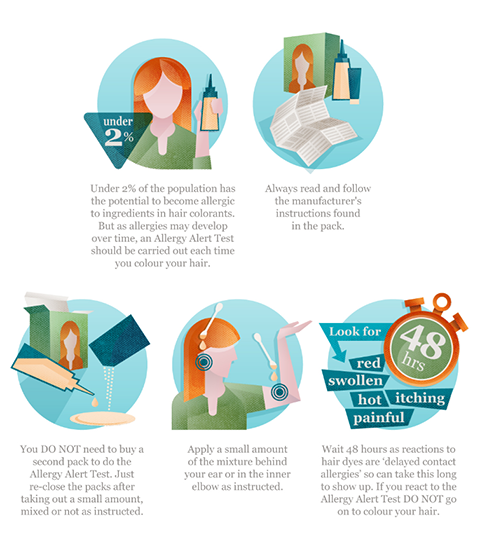
Paraphenylenediamine and hair dye contact allergy

Table Of Content How Often Do Hair Dyes Cause An Allergic Reaction? Permanent Hair Dyes Without PPD, Ammonia, and Peroxides? What are the co...